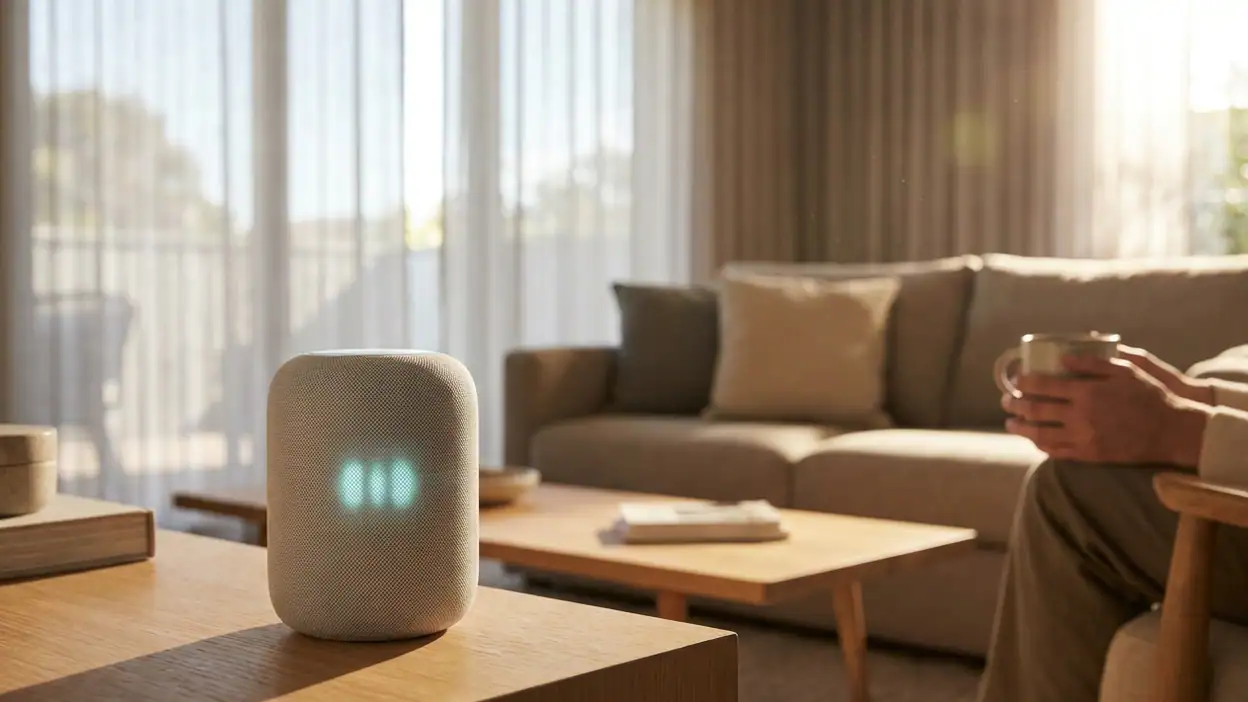
 Article about Google Home
How Google Home Enhances Your Smart Home with Android and iOS Updates
AppCompare
With each update to Android and iOS, the Google Home app undergoes subtle yet impactful transformations that shape how we interact with our smart home devices. Recently, these operating system shifts have introduced features that bring fresh convenience and deeper integration into our everyday lives.
One of the most significant changes is the app's improved integration with the latest Android and iOS ecosystems. This means faster response times and a more intuitive interface that feels like a natural extension of your device. The app now syncs seamlessly with system-wide settings, allowing for smoother transitions between devices and more cohesive control over your smart home.

Google Home
Google LLC · 4.0 · Free · Android, iOS
What users notice first is the enhanced voice command functionality. Thanks to updates in voice recognition, the app can now understand and execute complex commands with greater accuracy. This improvement is particularly noticeable when managing multiple devices across different rooms, a feature that previously could be a bit clunky.
Day-to-day, the experience shifts from being merely functional to genuinely enjoyable. You find yourself relying more on voice commands because they simply work better. The app’s ability to anticipate needs based on routine usage patterns is another subtle but effective enhancement.
The new ecosystem strengths are evident in how Google Home interacts with third-party apps. Whether it's syncing with your favorite streaming service or integrating with health apps for personalized wellness reminders, the app has become a versatile hub for all things digital at home.
However, compatibility friction does exist. Users with older devices might experience lag or occasional disconnects. The app’s performance is notably superior on the latest devices, which might leave some users with outdated hardware feeling left out.
Rivals like Amazon Alexa and Apple HomeKit are adapting by bolstering their own ecosystems with similar updates. Alexa’s recent integration with fitness apps and HomeKit’s enhanced privacy settings are direct responses to Google’s enhancements, showing that the competition is fierce and constantly evolving.
This evolution in Google Home speaks volumes about the direction of mobile technology. It reflects a trend towards immersive ecosystems where devices don’t just coexist but interact dynamically to enhance user experience.
The best users for this shift are tech enthusiasts who thrive on cutting-edge integration and those invested in the Google ecosystem. They will appreciate the seamless interaction between devices and the intuitive control that the app now offers.
Looking ahead, we should watch for even deeper integration with AI-driven features, which could redefine how we interact with our smart homes. As Google continues to refine its technology, the potential for a truly interconnected home experience becomes increasingly realistic.