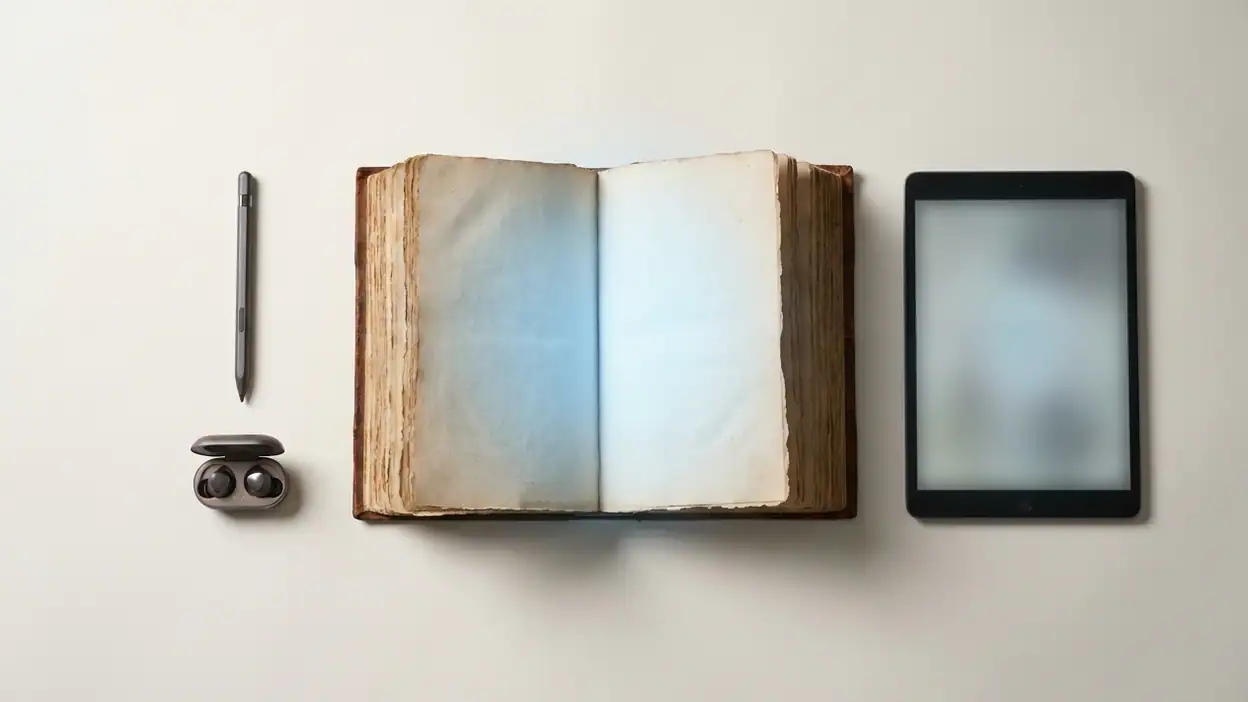
 Article about Amazon Kindle: Reading App
How Amazon Kindle is Redefining Our Reading Habits
AppCompare
In a world where our smartphones have seamlessly integrated with our daily lives, Amazon Kindle emerges not just as an app, but as a cultural beacon. Whether you're a voracious reader or a casual browser, the Kindle app has redefined what it means to carry a library in your pocket. It’s more than just convenience; it’s an evolution of how we engage with literature and information.
The presence of Kindle on our phones says a lot about the current era. We live in a time where instant access to a vast array of books is not just a luxury, but an expectation. With the Kindle app, we see a democratization of reading where anyone with a smartphone can dive into a universe of stories and knowledge, regardless of their location. This accessibility shifts the way we think about literature, making it as integral to our daily lives as checking social media or messaging friends.

Amazon Kindle: Reading App
Amazon Mobile LLC · 4.8 · Free · Android, iOS
Using the Kindle app normalizes a behavior that was once considered niche—reading on screens. This shift from paper to digital doesn’t just signify a change in medium, but a transformation in ritual. We now read while commuting, waiting in lines, or during a quick coffee break. The Kindle app makes reading less of a scheduled activity and more of an organic part of our day-to-day rhythm.
Owning the Kindle app on your device signals both a status and a convenience. It’s a nod to being well-read and informed, a subtle badge of intellectual curiosity. In a world where digital clutter often reigns, Kindle offers a streamlined, focused experience. It’s not just another app; it stands as a statement of intent, showcasing a commitment to knowledge and growth.
Kindle seamlessly integrates into our daily rituals. Much like how we might start our day with a news app or end it with a meditation app, Kindle finds its place in our routines. For many, it acts as a morning companion, a lunchtime escape, or a bedtime storyteller. This app becomes a trusted friend, an ever-present gateway to worlds beyond our own.
People keep Kindle close because it offers a unique blend of convenience and depth. The ability to switch between books, annotate, and highlight passages makes it a dynamic tool for both casual reading and in-depth research. It’s this versatility that ensures it remains a staple on devices across the globe, a constant in an ever-changing digital landscape.
Design-wise, Kindle mirrors modern culture with its minimalist aesthetics and user-friendly interface. The focus is on content, not clutter, reflecting a broader cultural trend towards minimalism and efficiency. This design philosophy not only enhances usability but also aligns with contemporary tastes, making it an app that feels both current and timeless.
Yet, there’s something revealing about our reliance on Kindle. It underscores a growing detachment from physical books, raising questions about the future of traditional publishing and the tactile experience of reading. While the app provides unprecedented access, it also challenges us to consider what we gain and lose in this digital transition.
Rivals like Wordscapes or Pinterest tap into different facets of mobile culture, offering puzzles and visual inspiration, respectively. They might mimic aspects of Kindle’s accessibility or design, but none replicate its profound impact on reading habits and cultural consumption. Kindle stands apart, not just in function, but in cultural significance.
Ultimately, Amazon Kindle is more than an app; it’s a reflection of our evolving relationship with reading. It challenges traditional norms, offering a new way to engage with literature while also prompting us to reflect on the nature of our digital consumption. It’s a powerful tool that redefines our reading identity, making it an indispensable part of modern mobile culture.