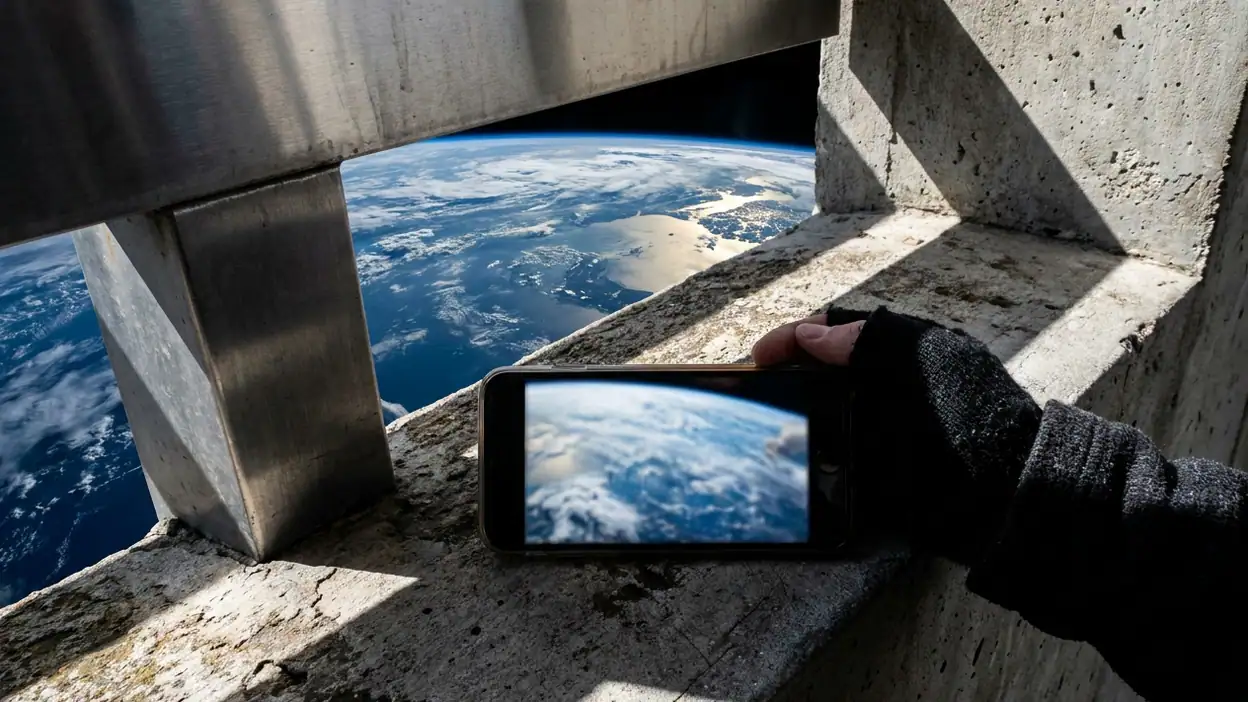
 Article about Google Earth
How Android and iOS Updates Elevate Google Earth's Capabilities
AppCompare
With the latest updates in Android and iOS, Google Earth has taken a significant leap forward. The app, a staple for explorers and curious minds, now feels more integrated and responsive than ever before. As someone who frequently relies on digital tools for travel insights, I found these changes both subtle and profound.
Adapting to Platform Changes
The recent OS updates have unlocked new capabilities in Google Earth. On Android, the app takes advantage of improved graphics processing, rendering landscapes with stunning clarity. iOS users, meanwhile, benefit from a more seamless integration with Apple’s ecosystem, enhancing the app's accessibility and sharing functions.

Google Earth
Google LLC · 3.8 · Free · Android, iOS
Enhanced Visuals and Interactions
One of the first things users will notice is the refined visual fidelity. Whether you're zooming into bustling city streets or remote mountain ranges, the textures and details are sharper, thanks to optimized algorithms that leverage the latest OS advancements. The touch interactions are smoother, making navigation feel almost intuitive.
An Everyday Companion
Incorporating Google Earth into daily life has been revolutionized by these updates. The app now syncs more effortlessly with other travel and location-based services. Whether planning a trip or just exploring from your couch, the app’s new features make each session feel less like a chore and more like an adventure.
Synergy with the Ecosystem
Google Earth's newfound synergy with Android and iOS ecosystems is a game-changer. On Android, the integration with Google Assistant means you can start exploring with just a voice command. On iOS, the app's compatibility with widgets and shortcuts makes it easier to access your favorite locations and routes.
Addressing Compatibility Friction
Despite these advancements, there are areas where compatibility friction persists. Some older devices may struggle with the enhanced graphics, leading to occasional lag. While these issues are not deal-breakers, they remind us of the ever-growing demands on hardware.
Rivals and Adaptations
Competitors like Uber Eats and Duolingo have also made strides with their recent updates, but Google Earth’s focus on visual exploration sets it apart. While those apps aim to simplify daily tasks, Google Earth invites users to delve deeper into their world.
Reflections on Mobile Trends
This shift in Google Earth’s capabilities underscores a broader trend in mobile technology: a move towards more immersive and integrated experiences. Users now expect apps to not only provide information but to do so in a way that’s intuitive and engaging.
The Ideal Users
Travel enthusiasts, educators, and students stand to gain the most from these updates. The app’s enhanced features make it an invaluable tool for planning journeys, teaching geography, or simply satisfying a thirst for knowledge.
Looking Forward
As we look ahead, the big question is how Google Earth will continue to evolve. Will we see more AI-driven features, or perhaps augmented reality integrations? Whatever the case, the app’s potential seems limitless, promising new ways to explore our planet.
In conclusion, the latest OS updates have made Google Earth an even more compelling platform for exploration. The combination of visual enhancements, ecosystem integration, and user-friendly design positions it as a leader in digital exploration tools. Whether you’re a seasoned traveler or an armchair explorer, there's never been a better time to dive into the world with Google Earth.